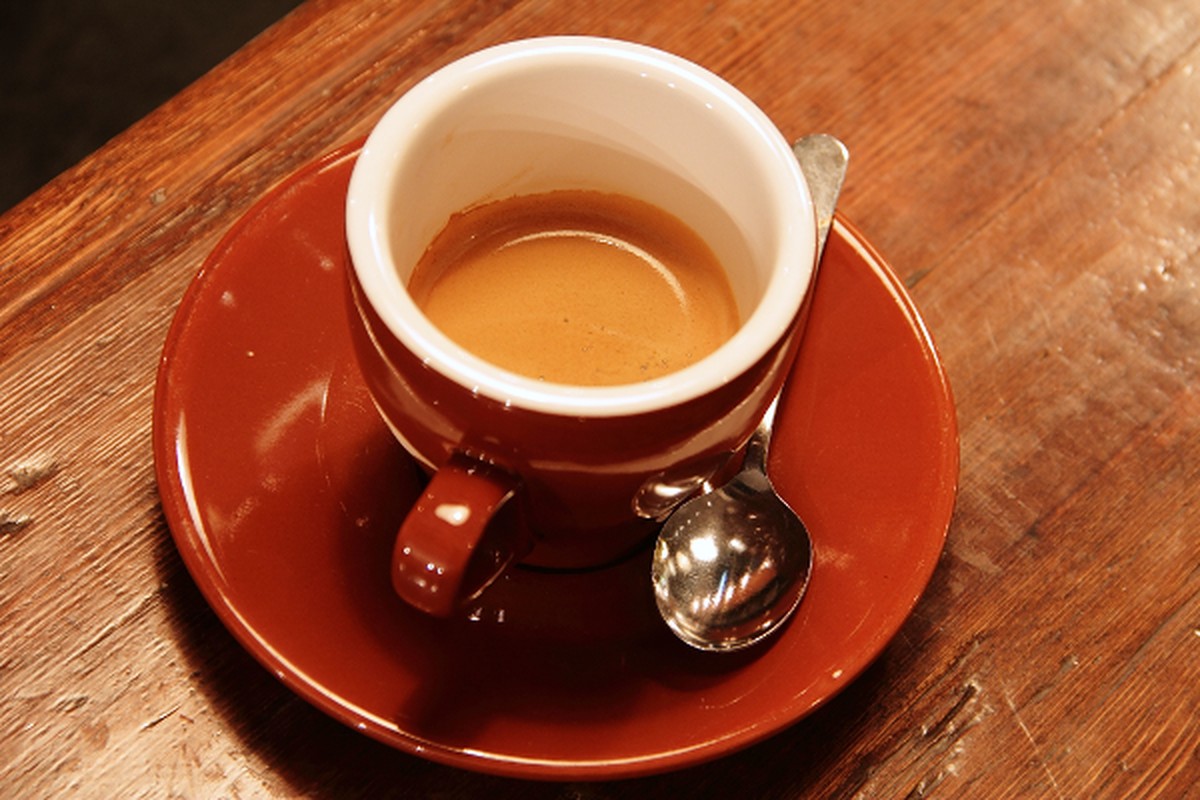
A Simple Coffee Tasting for an Ordinary Morning
Most coffee is drunk while something else is happening: breakfast is being made, messages are being answered, or the day is already beginning to move. A tasting does not have to be formal to change that. One ordinary cup can become a useful exercise in attention if you give it ten unhurried minutes.
Use the coffee you already know
There is no need to buy a rare bag or special equipment. In fact, a familiar coffee is useful because you already have a rough idea of how it usually tastes. Brew it the way you normally do and keep the rest of the routine unchanged.
Smell before the first sip
Bring the cup close and notice the first clear association that comes to mind. It might be toasted bread, cocoa, nuts, fruit, wood, or simply “warm and roasted.” The point is not to find the correct vocabulary. It is to connect a smell with something concrete.
Then take a small sip while the coffee is still hot. Heat can hide detail, so do not worry if the flavor seems broad at first. Pay more attention to texture: does it feel light, creamy, dry, silky, or heavy?
Wait for the cup to change
Leave the coffee alone for two or three minutes and try again. As it cools, sweetness, acidity, bitterness, and aroma often become easier to separate. You may notice a flavor that was invisible in the first sip, or simply find that the balance feels softer.
A useful tasting note can be as simple as “rounder when warm, brighter as it cools.”
Compare two moments, not ten descriptors
Instead of building a long list of tasting notes, compare the beginning and the middle of the cup. Was the aroma stronger at first? Did bitterness become more noticeable? Did the coffee feel sweeter once it cooled? A simple comparison is easier to remember than a page of adjectives.
Change one variable next time
If you want to repeat the exercise, alter only one thing: grind a little coarser, use slightly more water, shorten the brew, or try the same coffee with a different breakfast. One change gives you a clear point of comparison and keeps the process from turning into a complicated hobby project.
A small tasting is less about judging coffee than about noticing it. Ten minutes with one familiar cup can make the next dozen cups easier to understand—and often more enjoyable.